What is Massage Therapy? Types, Techniques, and Benefits

What is massage therapy? This time-honored practice involves manipulating muscles and soft tissues to alleviate tension, improve circulation, and promote overall well-being. 

The diverse range of therapeutic massage modalities serves to address physical ailments, reduce stress, and enhance mental clarity. In this article, we will discuss the essence of massage therapy, exploring its various types, techniques, and the wide-ranging benefits it offers to the body and mind.

What is Massage Therapy?

Massage therapy is a hands-on approach to health and wellness that involves applying pressure, tension, or vibration to soft tissues of the body. Its roots trace back to ancient civilizations, where it was used as a therapeutic practice to address various ailments and promote healing.

Today, therapeutic massage has become an integral part of modern healthcare, recognized for its ability to alleviate physical discomfort, reduce stress, and enhance overall well-being. With its rich history and proven efficacy, therapeutic massage continues to play a significant role in promoting holistic health and wellness.

Types of Massage Therapy

Massage therapy encompasses a variety of techniques, each designed to target specific needs and conditions. Whether you’re seeking relaxation, joint pain relief, or enhanced sports performance, there’s a massage modality suited to your goals. Here are some common types:

  • Swedish Massage: Known for its gentle, flowing strokes, Swedish massage promotes relaxation, reduces stress, and improves circulation.
  • Deep Tissue Massage: This technique utilizes firm pressure to reach deeper layers of muscle and connective tissue, effectively relieving chronic tension and muscle knots.
  • Sports Massage: Tailored for athletes, sports massage focuses on preventing injury, enhancing performance, and speeding up recovery by targeting specific muscle groups.
  • Reflexology: By applying pressure to specific points on the hands, feet, or ears, reflexology aims to stimulate healing and restore balance throughout the body.

Techniques Employed in Massage Therapy

In massage therapy, various techniques are employed to achieve therapeutic effects and address specific issues. These techniques include:

  1. Kneading: Involves applying pressure and rhythmic squeezing motions to manipulate muscles and soft tissues, promoting relaxation and increasing circulation.
  2. Tapping: Utilizes rapid, rhythmic tapping or percussion movements to stimulate muscles, improve blood flow, and invigorate the body.
  3. Stroking: Characterized by long, gliding strokes along the body’s surface, stroking helps to warm up tissues, promote relaxation, and facilitate the movement of lymphatic fluid.
  4. Friction: Involves deep, circular movements applied with the fingertips or palms to target specific areas of tension and break up adhesions in muscle fibers.
  5. Compression: Uses sustained pressure to compress muscles and soft tissues, aiding in the release of tension and promoting relaxation.
  6. Stretching: Incorporates gentle stretching movements to increase flexibility, improve range of motion, and alleviate muscle stiffness.
  7. Trigger Point Therapy: Targets specific points of muscle tension, known as trigger points, applying pressure to release knots and alleviate pain.
  8. Myofascial Release: Focuses on releasing tension in the fascia, the connective tissue surrounding muscles, using sustained pressure and stretching techniques.

Benefits of Massage Therapy

A massage therapist offers a multitude of benefits for both physical and mental well-being. From reducing pain and promoting relaxation to enhancing overall health, its effects are far-reaching. Physically, massage therapy can: 

  • Alleviate muscle tension
  • Decrease inflammation
  • Improve circulation
  • Reduce pain
  • Enhance mobility

Additionally, therapeutic massage is renowned for its stress-relieving properties, helping to:

  • Decrease anxiety
  • Improve mood
  • Enhance overall mental clarity and well-being
  • Foster a sense of connection, relaxation, and emotional balance 
  • Helps improve the overall sense of wellness

Choosing the Right Massage Therapist

If you are typing “massage therapist near me” now in Google, Bing, or other search engines, here are some tips that may help you choose the right therapist for you. 

  1. Prioritize qualifications, experience, and compatibility with your health and wellness goals. Start by researching therapists in your area who are licensed and certified by reputable organizations. 
  2. Look for practitioners with specialized training or experience relevant to your specific needs, whether it’s sports massage, prenatal massage, or chronic pain management.
  3. Consider scheduling a consultation or introductory session to discuss your health concerns and assess the therapist’s approach and communication style.
  4. Seek recommendations from trusted sources such as friends, family, or healthcare providers who have had positive experiences with a massage therapist.

Conclusion

Massage therapy is a fundamental component of a holistic health and wellness plan, offering myriad benefits for both body and mind. From alleviating physical discomfort to reducing stress and enhancing overall well-being, its effects are profound. So, what is massage therapy? We hope we have answered this question, including its types, techniques, and benefits, plus how to choose the best in your area. Take the next step towards better health by scheduling a consultation with a qualified massage therapist through ProActive Docs. Embrace the healing power of touch and embark on a journey to optimal health and vitality today.

What is Pain Management: A Look at Holistic Approach

Pain management is a critical aspect of healthcare that includes a wide array of techniques and approaches aimed at alleviating discomfort and improving overall well-being. As a chiropractor, you understand the multifaceted nature of pain and the significance of addressing it comprehensively. While traditional medical interventions often focus solely on symptom relief through medication or surgery, a holistic approach to pain management takes into account the interconnectedness of the body and mind.

Understanding Pain

Pain is a complex and subjective experience that can manifest in various forms, ranging from acute pain discomfort to chronic pain agony. As a chiropractor, it’s essential to have a comprehensive understanding of the different types of pain and their underlying causes to provide effective treatment. 

What are The Common Types and Causes of Pain?

The most common types of pain encountered in clinical practice and their potential origins are:

  • Musculoskeletal Pain: Musculoskeletal pain encompasses a broad spectrum of discomfort affecting the muscles, bones, ligaments, tendons, and joints. Common causes include injuries, nerve damage, overuse, poor posture, and musculoskeletal imbalances.
  • Neuropathic Pain: Neuropathic pain arises from damage or dysfunction of the nervous system, leading to abnormal signaling and perception of nerve pain. Nerve compression, injury, diabetic neuropathy, and conditions like sciatica and carpal tunnel syndrome can result in neuropathic pain.
  • Headaches: Headaches are a persistent pain encountered in clinical practice, with various subtypes such as tension headaches, migraines, and cluster headaches. Triggers for headaches can include stress, muscle tension, hormonal changes, environmental factors, and underlying health conditions.
  • Inflammatory Pain: Inflammatory pain stems from the body’s immune response to tissue injury, infection, or chronic inflammation. Conditions like rheumatoid arthritis, inflammatory bowel disease, and tendonitis are associated with inflammatory pain.
  • Psychogenic Pain: Psychogenic pain refers to discomfort that originates from psychological factors such as stress, anxiety, depression, or past trauma. While the pain is real, its origins are psychological rather than physical.

By understanding the pain, a chiropractor and physical therapist can accurately assess and diagnose patients, guiding them toward appropriate treatment strategies. A holistic approach to pain management involves addressing not only the physical symptoms but also the underlying factors.

A Holistic Approach to Pain Management

Unlike traditional medical interventions that often focus solely on symptom relief, holistic pain management aims to treat the whole person, taking into account physical, emotional, social, and environmental factors that may contribute to pain. The principles include:

  • Individualized Care: Holistic practitioners tailor treatment plans to meet the specific needs and preferences of each patient, considering factors such as medical history, lifestyle, and goals to develop comprehensive and effective interventions.
  • Root Cause Identification: What helps back pain? Holistic pain management seeks to identify and address the underlying root causes of pain. By treating the source of the problem, rather than just the symptoms, long-lasting relief and improved overall health can be achieved.
  • Multimodal Interventions: Holistic pain management utilizes a variety of therapeutic modalities and techniques to address pain from multiple angles. These may include chiropractic adjustments, acupuncture, massage therapy, and physical therapy.
  • Empowerment and Education: Empowering patients to take an active role in their own healing process is a fundamental aspect of holistic pain management, so they can make informed decisions and play an active role in improving their health and well-being.

Techniques and Therapies

So, what helps back pain to go away? In holistic pain management, a wide range of techniques and therapies may be utilized to address pain and promote healing. Some of the most commonly employed modalities include:

  • Chiropractic Care: Chiropractic adjustments focus on restoring proper alignment and function to the musculoskeletal system, which can help alleviate pain, improve mobility, and enhance overall well-being.
  • Acupuncture: Acupuncture is a traditional Chinese medicine technique that involves inserting thin needles into specific points on the body to stimulate energy flow and promote healing.
  • Massage Therapy: Massage therapy can help relax tense muscles, improve circulation, reduce inflammation, and promote relaxation and stress relief. Various techniques may be used depending on the individual’s needs and preferences.
  • Mindfulness and Stress Reduction: Mindfulness practices, such as meditation, deep breathing exercises, and guided imagery, can help reduce stress, improve coping skills, and enhance pain tolerance.

Benefits of a Holistic Approach

From reduced pain and improved mobility to enhanced mood and increased resilience, holistic therapies offer a multifaceted approach to optimal health. Physical, mental, and emotional benefits of holistic care may include:

Physical Benefits

  • Reduced Pain: Holistic treatments can directly alleviate pain by reducing muscle tension, improving circulation, and restoring proper alignment and function to the body.
  • Improved Mobility: By addressing musculoskeletal imbalances and promoting proper movement patterns, holistic therapies can make daily activities more comfortable.
  • Faster Healing: Many holistic modalities support the body’s natural healing processes, accelerating recovery from injuries, surgeries, and chronic conditions.

Mental Benefits

  • Stress Reduction: Mindfulness practices, meditation, and stress reduction techniques incorporated into holistic pain management can help calm the mind.
  • Enhanced Focus and Clarity: By fostering present-moment awareness and promoting mental clarity, holistic therapies allow individuals to better cope with pain and stress.
  • Empowerment: Taking an active role in one’s healing process and participating in decision-making regarding treatment options can empower individuals.

Emotional Benefits

  • Improved Mood: Holistic treatments that promote relaxation, stress reduction, and pain relief can foster a more positive outlook on life.
  • Increased Resilience: Mindfulness practices and coping strategies taught in holistic pain management can help individuals develop resilience in the face of adversity.
  • Enhanced Quality of Life: By addressing pain and its underlying causes from a holistic perspective, individuals can experience improved emotional satisfaction.

Challenges and Considerations

Does chiropractic work? In pursuing holistic pain management, individuals encounter several challenges and considerations. One significant hurdle is finding trusted professionals who adhere to high standards of care amidst a market saturated with varying degrees of expertise. 

Integration with conventional medicine is also crucial, as holistic modalities should complement rather than replace medical interventions. Personalized approaches are essential due to the individual variation in pain perception and response to treatments.

Furthermore, the lack of standardized regulation and oversight in the field of complementary and alternative medicine poses safety and quality concerns. Financial considerations also come into play, as holistic therapies may not always be covered by insurance, resulting in out-of-pocket expenses. 

Despite these challenges, individuals should approach holistic pain management with careful consideration, seeking integrated care and reputable practitioners.

Conclusion

In conclusion, while holistic pain management offers promising benefits, navigating challenges such as finding a trusted Redondo Beach chiropractor and integrating with conventional medicine is crucial. At ProActive Clinic, we prioritize personalized care and offer a range of holistic treatments tailored to your needs. Contact us today to schedule a consultation and take the first step towards a pain-free and fulfilling life.

Multidisciplinary Care: How to Help Back Pain Without Surgery

In our fast-paced world, back pain has become a prevalent issue affecting millions worldwide. Fortunately, numerous approaches can alleviate this discomfort without resorting to surgery. How to help back pain is a pressing concern for many, prompting individuals to explore various treatment options.

From conventional methods like chiropractic care to alternative therapies, finding the right solution can be overwhelming. However, understanding what helps back pain is crucial in determining the most effective action. This blog post will look into the effectiveness of chiropractic treatment and explore multidisciplinary approaches to managing back pain holistically.

Anatomy of a Back Pain

Understanding the anatomy of back pain is crucial in addressing its causes and effects on daily life. The back, a complex structure of bones, muscles, and various tissues, extends from the neck to the pelvis. The lower back, particularly, is susceptible to injuries and pain due to its intricate network of nerves, vertebrae, and supporting muscles.

Common causes of back pain include poor posture, muscle strain, and spinal abnormalities, along with accidents such as falls or car collisions. When afflicted with intense pain, simple tasks like sitting, standing, or walking can become challenging, impacting work productivity, daily activities, and overall quality of life.

Additionally, the emotional toll of persistent and severe pain, including stress, anxiety, and depression, further underscores the need for comprehensive treatment approaches. Understanding the intricate anatomy of back pain lays the foundation for exploring effective strategies for relief and rehabilitation.

Non-surgical Treatment Options

When exploring nonsurgical treatment options, it’s worthwhile to consider several avenues to help with back pain effectively. Here are some key pain treatment options and how they can help back pain:

  • Physical Therapy: Physical therapy focuses on strengthening muscles, improving flexibility, and enhancing overall mobility to support the spine and alleviate back pain. Physical therapists aim to address underlying discomfort-related issues and restore function through targeted exercises and stretches.
  • Chiropractic Care: If you wonder if chiropractic works, visiting a Redondo Beach chiropractor can illuminate what helps back pain and whether chiropractic treatments suit you. Chiropractic care involves manual adjustments and spinal manipulations of the spine to correct misalignments and improve spinal function.
  • Acupuncture: Acupuncture is an ancient Chinese practice that involves inserting thin needles into specific points on the body to promote pain relief and overall well-being. The body’s natural healing mechanisms are activated by stimulating these acupuncture points, helping to alleviate back pain and restore balance.
  • Massage Therapy: Massage therapy involves the manipulation of soft tissues to reduce muscle tension, improve circulation, and promote relaxation. A skilled massage therapist can target areas of tension and discomfort in the back, providing relief from pain and promoting recovery.

Understanding what helps back pain involves considering various approaches, including visiting a chiropractor in Redondo Beach. Many individuals wonder, “Does chiropractic work?” Research suggests that chiropractic treatments can relieve some back pain sufferers. Individuals can explore non-invasive options with these treatments, potentially improving back pain management.

Lifestyle Modifications for People with Back Pain

Addressing back pain often requires more than medical treatment and over-the-counter pain relievers; lifestyle modifications can significantly contribute to relief and prevention. Here are some adjustments you can make:

  • Exercise and Stretching: Regular physical activity and targeted stretches can strengthen back muscles, improve flexibility, and reduce the severity of back pain.
  • Proper Posture: Maintaining correct posture, whether sitting, standing, or lifting, can alleviate strain on the spine, decreasing back pain.
  • Weight Management: Maintaining a healthy weight through balanced nutrition and regular exercise can alleviate pressure on the spine, reducing back pain.

The Role of Diet and Nutrition

Diet and nutrition are crucial in managing back pain and promoting overall wellness. Incorporating a balanced diet rich in nutrients can support the health of your muscles, bones, and other tissues, potentially reducing the severity of back pain. Maintaining a healthy weight through proper nutrition can alleviate strain on the back and enhance blood flow, as excess weight can make the pain worse and contribute to spinal issues.

Alongside muscle-strengthening exercise programs and proper lifting techniques, a nutritious eating plan and staying physically active are essential components of a holistic approach to back pain management. By prioritizing healthy lifestyle habits, individuals can empower themselves to address back pain effectively and improve their quality of life.

Integrating Multidisciplinary Approaches

Integrating multidisciplinary approaches is instrumental in finding effective solutions tailored to individual needs and addressing how to help back pain effectively. By creating a personalized treatment plan, healthcare providers can address the unique factors contributing to each patient’s back pain, considering factors such as medical history, lifestyle, and preferences. This approach ensures that treatment strategies are targeted and comprehensive, maximizing the likelihood of success.

Moreover, involving patients in the decision-making process fosters a sense of empowerment and accountability, encouraging active participation in their care. Integrating various modalities such as chiropractic care, physical therapy, and lifestyle modifications allows for a holistic approach to back pain management, addressing the symptoms and underlying causes. 

Through collaboration between healthcare professionals and patients, individuals can embark on a journey toward relief and improved well-being.

Your Path to a Pain-Free Back Starts Here

Managing back pain necessitates a multifaceted approach that encompasses various treatment options and explores how to help back pain effectively. From conventional methods like chiropractic care to lifestyle modifications and nutritional adjustments, numerous strategies are available to help alleviate discomfort. If you’re still wondering, “Does chiropractic work?” consider consulting with a Redondo Beach chiropractor who can provide personalized insights and guidance tailored to your needs.Remember, finding what helps back pain often involves exploring different modalities and working closely with healthcare professionals. Don’t hesitate to seek multidisciplinary care from our ProActive Clinic experts. Maximize your chances of finding effective relief and improving your overall well-being today.

5 Ways Physical Therapy Helps Overcome the Challenges of TBI

Traumatic brain injuries (TBIs) can lead to a wide range of complications, including mobility issues, muscle weakness, and balance difficulties. These challenges often make it difficult for individuals to return to normal movement and complete daily tasks independently.

Physical therapy offers an essential pathway to recovery by addressing these symptoms through structured, supportive treatment plans. With the guidance of trained physical therapists, patients with TBIs can work toward achieving personal recovery goals. This approach goes beyond simply treating symptoms; it enhances the overall quality of life for those managing complex medical conditions.

Here are five ways physical therapy helps individuals overcome the challenges of TBI, moving them closer to reclaiming their independence and well-being.

1. Improving Mobility and Flexibility

Improving mobility and flexibility is a key focus for TBI recovery. According to a study, patients undergoing physical therapy in acute rehabilitation showed significant motor function improvements compared to those receiving different treatment options. This positive trend also suggested faster motor recovery for patients who received manual therapy techniques early on.

Guided by a dedicated team of health care providers, stretching and range-of-motion drills help restore joint flexibility, allowing TBI patients to move more comfortably. Physical therapy enhances physical function and supports easier, more natural movement.

2. Strengthening Muscles and Reducing Weakness

Traumatic brain injuries can cause significant muscle weakness, impacting patients’ ability to carry out daily lives as they once did. Physical therapists use therapeutic exercises, such as resistance training and functional activities, to rebuild strength and endurance.

These exercises are tailored to fit each patient’s unique health conditions, addressing specific areas of weakness. With this approach, individuals gradually regain strength, improving their ability to manage everyday tasks independently.

3. Enhancing Balance and Coordination

Balance disorders are common after a traumatic brain injury, making daily activities challenging and increasing the risk of falls. Physical therapy addresses these issues through hands-on treatment, using targeted exercises to improve stability and coordination.

In clinics like Physical Therapy Redondo Beach, CA, therapists employ balance drills and gait training to help patients regain control over their movements. This approach builds confidence and supports safer, more independent mobility.

4. Alleviating Pain and Discomfort

Physical therapy massage is a valuable tool in managing the discomfort and chronic pain often experienced after a TBI. By relieving muscle tension, physical therapists can target sources of muscle pain and help improve patients’ overall comfort. This form of pain management alleviates immediate discomfort and supports long-term recovery by enhancing circulation and reducing stiffness.

Here are some examples of techniques:

  • Soft tissue massage: Targets deep muscle layers, releasing tension and reducing soreness.
  • Myofascial release: Loosens tight connective tissues, increasing flexibility and reducing stiffness.
  • Trigger point therapy: Focuses on specific pain points to alleviate chronic muscle pain effectively.

5. Boosting Overall Physical Function and Independence

Studies show that delaying physical therapy can reduce the likelihood of TBI patients achieving independence upon discharge and increase their hospital stay. Early and consistent rehabilitative care is essential for optimizing recovery outcomes and shortening treatment times.

With the support of healthcare professionals, physical activity in therapy sessions helps restore strength, balance, and coordination for everyday tasks. Exercises such as strength training target critical areas impacted by TBI, promoting better function and resilience.

These goal-based approaches allow patients to improve their ability to manage daily tasks gradually. Patients gain confidence and greater independence in their recovery journey through this structured care, even with complex medical conditions.

physical therapy massage

Discover the Life-Changing Benefits Today

Physical therapy is vital in TBI recovery. It helps improve mobility, strength, balance, pain relief, and independence. Through tailored treatments, physical therapists help individuals manage immediate and chronic TBI conditions.

This personalized care plan is an effective treatment option, addressing each patient’s unique needs for the best possible outcomes. Physical Therapy Redondo Beach, CA, offers specialized services to aid recovery for those interested in physical therapy.

Book a consultation today to explore how this treatment can support you or a loved one on the path to healing.

Does Chiropractic Help in Pain Management After a Car Crash?

Car accidents can result in various injuries, including whiplash, back pain, and soft tissue damage. If you’re dealing with these issues, you might wonder: does chiropractic help with pain management after a car crash?

The answer is yes. Chiropractic care can be highly effective in managing pain following an auto accident, providing non-invasive treatment options that promote healing and relief.

Understanding Pain After a Car Crash

After a car accident, it’s common for individuals to experience pain in the neck, back, and joints due to the sudden impact. Injuries like whiplash, sprains, and muscle stiffness can lead to long-term discomfort if left untreated. 

Traditional pain management approaches often focus on medication, but these may only mask the symptoms rather than address the root cause of the pain. This is where chiropractic care comes in as an alternative medicine, a natural option for pain management.

Chiropractors specialize in diagnosing and treating injuries related to the musculoskeletal system, such as those caused by car accidents. They use hands-on spinal adjustments and other techniques to help realign the body and reduce pain naturally.

How Does Chiropractic Help After an Auto Accident?

Chiropractic treatment provides several benefits for individuals recovering from a car accident. One key approach is spinal manipulation, which helps reduce inflammation and improve mobility. By restoring proper alignment, chiropractic adjustments can alleviate pressure on nerves and muscles, which in turn reduces pain.

Chiropractic care is particularly beneficial in cases like whiplash, where the neck is forcibly jerked forward and backward. Chiropractors can use specialized techniques to address the neck pain and stiffness associated with whiplash, promoting faster recovery without the need for invasive procedures or heavy medication.

If you’re considering treatment with a chiropractor in Redondo Beach, CA, choosing a professional with experience in auto accident recovery is a smart decision. The team at ProActive Clinic specializes in helping accident victims recover through personalized care plans designed to target your specific injuries.

Chiropractic Care as Part of a Holistic Pain Management Plan

For those dealing with pain after an auto accident, it’s essential to adopt a comprehensive pain management strategy. Chiropractic care is part of a holistic approach that includes other effective treatments like physical therapy and massage. This combination helps address multiple aspects of your injury, ensuring long-term recovery and minimizing the risk of chronic pain.

Chiropractors don’t just focus on relieving pain; they also help patients regain mobility and function. By improving the range of motion and strengthening affected muscles, chiropractic adjustments can be critical to an overall recovery plan. 

Additionally, because chiropractic care is non-invasive, it helps patients avoid the risks associated with surgeries or long-term medication use.

What to Expect When Visiting a Chiropractor After a Car Accident

After a car accident, seeking prompt and effective care is essential to your recovery, and chiropractic treatment is often a great option. Visiting a chiropractor ensures that your pain and injuries are addressed holistically, promoting long-term healing without invasive procedures. 

Here’s what you can expect during your chiropractic care journey:

  1. Comprehensive Evaluation:
    On your first visit, the chiropractor will thoroughly assess your injuries. They will evaluate your pain levels, spinal alignment, and any potential joint issues caused by the accident.
  2. Personalized Treatment Plan:
    Based on the findings, the chiropractor will develop a tailored treatment plan. This may include spinal adjustments, joint mobilization, and targeted exercises to reduce pain and improve mobility.
  3. Ongoing Treatment Sessions:
    Regular chiropractic sessions will be scheduled to address your injuries and promote healing. These treatments help restore function and relieve pain progressively over time.
  4. Early Intervention Matters:
    Timely chiropractic care is crucial. Seeking treatment soon after the accident prevents injuries from worsening, allowing for a faster and more complete recovery.
  5. Recovery and Monitoring:
    Your chiropractor will continuously monitor your progress and adjust the treatment plan. The goal is to support your full recovery, ensuring pain relief and improved mobility.

By visiting a chiropractor after a car accident, you can take a proactive approach to your recovery, minimizing long-term discomfort and promoting overall well-being.

Additional Benefits of Chiropractic Care

Chiropractic care helps manage pain and addresses the underlying causes of discomfort. Many patients experience additional benefits, including:

  • Correcting Poor Posture: Chiropractic adjustments can help improve posture issues that may develop after a car accident.
  • Enhanced Flexibility: Regular chiropractic care can help improve flexibility and mobility in affected areas, such as the neck and spine.
  • Prevention of Chronic Pain: Without proper treatment, injuries from car accidents can lead to long-term pain. Chiropractic care helps prevent this by promoting healing at the source.

Chiropractic Helps Improve Quality of Life

So, does chiropractic help with pain management after a car crash? Absolutely.

Whether you’re dealing with whiplash, back pain, or joint discomfort, chiropractic care offers a safe, effective, and non-invasive solution to managing post-accident pain. For those seeking treatment, finding a qualified chiropractor in Redondo Beach, CA can make a significant difference in your recovery process.

If you’ve been in a car accident and are struggling with pain, it’s essential to take action. Consider chiropractic care as part of your pain management plan to ensure a full recovery.

Contact ProActive Clinic today to learn more about how chiropractic care can help you regain your health and well-being after an accident.

Are Chiropractors Dangerous: 5 Myths About Chiro Debunked

When it comes to chiropractic care, many people wonder, “Are chiropractors dangerous?” This question often stems from widespread myths and misconceptions about chiropractic treatment. It’s essential to separate fact from fiction to make informed health decisions.

Let’s debunk some of the most common myths surrounding chiropractic care.

Myth #1: Chiropractic Adjustments Are Dangerous

Fact: Chiropractic Therapy Is Safe When Performed by Licensed Professionals

A widespread misconception is that chiropractic adjustments, such as spinal manipulation, are inherently dangerous. However, when performed by licensed chiropractors, these treatments are safe and effective. Chiropractors undergo extensive training to ensure they adhere to strict safety guidelines. 

Clinical studies have shown that chiropractic adjustments have a low potential risk of adverse effects, especially compared to more invasive procedures. Engaging in proactive chiropractic care helps alleviate pain and plays a vital role in maintaining overall health.

Myth #2: Chiropractors Aren’t Real Doctors

Fact: Chiropractors Are Highly Trained Health Professionals

Another myth is that chiropractors are not real doctors. In reality, chiropractors are healthcare professionals who undergo rigorous training, including completing a Doctor of Chiropractic (D.C.) degree. They study many of the same subjects as medical doctors, including anatomy, physiology, and diagnostic imaging, focusing on the musculoskeletal system. 

This specialized knowledge enables chiropractors to offer adequate medical care tailored to conditions like neck pain, range of motion issues, chronic low-back pain, and chronic headaches. As a result, they become an integral part of the healthcare community.

Myth #3: Chiropractic Care Is Only for Back Pain

Fact: Chiropractic Treatments Address a Wide Range of Conditions

While chiropractic is well-known for treating back pain, it’s effective for much more. Chiropractors can help manage various conditions, including neck pain, headaches, joint pain, musculoskeletal conditions, and even certain range-of-motion impairments. This therapy also complements other alternative medicines, contributing to holistic wellness. 

Chiropractic care can enhance overall health and well-being by improving spinal alignment and reducing nerve interference. If you’re wondering if there’s a chiropractor near me that offers comprehensive health services, the answer is likely yes!

Myth #4: Chiropractic Adjustments Are Painful

Fact: Chiropractic Techniques Are Designed to Minimize Discomfort

Some people fear chiropractic adjustments might be painful, but this is a myth. Chiropractors use gentle, controlled techniques designed to minimize discomfort. Most patients experience relief rather than pain after adjustments. 

A typical chiropractic session might involve gentle spinal manipulation to realign the spine, improve the range of motion, and reduce tension. Chiropractors tailor their techniques to patients’ needs, ensuring comfort and effectiveness.

Myth #5: Once You Start Chiropractic Care, You Can’t Stop

Fact: Treatment Plans Are Personalized Based on Individual Needs

There’s a common belief that once you start seeing a chiropractor, you must keep going forever. In truth, chiropractic care is tailored to each patient’s specific health goals and needs. While some may benefit from regular visits to maintain their health, others may only need short-term care to address a particular issue.

Chiropractors work with patients to develop personalized treatment plans that align with their unique health needs, ensuring that care is both effective and appropriate.

Chiropractic Helps Improve Lives

The question “Are chiropractors dangerous?” often arises from misinformation. Chiropractic care, including spinal manipulation, is a safe and effective treatment option for many conditions. By debunking these myths, we hope to encourage more people to consider chiropractic care a valuable part of their healthcare routine.

If you’re curious about chiropractic care, consult a licensed chiropractor to explore how they can help improve your health and well-being. 

Looking for a “chiropractor near me” in Google? Learn more about personalized care options and start your journey toward better health by consulting expert chiropractors in Redondo Beach.For more information about the benefits of chiropractic care and to schedule a consultation, visit ProActive Clinic today.

Why Flight Attendants Should Go to A Chiropractor for Vertigo

Flight attendants face unique challenges that most people don’t experience daily. One of these challenges is vertigo, which can significantly disrupt their work schedules and even impact their careers. 

And maybe you are wondering, vertigo? Really? But these workers fly worldwide, so why do they face a “fear of heights”?  Unfortunately, vertigo goes beyond our general knowledge, as this fear or discomfort of heights is a simple factor that can provoke it. 

In this blog, we will explore why attendants should consider seeing a chiropractor for vertigo, learn about this health problem and its symptoms, plus flight attendant support for their well-being. 

Vertigo in Flight Attendants

Vertigo is a sensation of feeling off balance or dizzy, often described as a spinning sensation. It can be triggered by changes in head position, and for flight attendants, given their constantly changing environment, it can be particularly debilitating.

This health issue can be caused by various factors, including inner ear problems, head injuries, and prolonged periods of stress and fatigue. For flight attendants, the constant pressure changes during flights and the physical strain of their duties can contribute to the development of vertigo. 

Types of Vertigo

There are two main types of vertigo: peripheral and central.

  • Peripheral vertigo is the most common type caused by inner ear or vestibular nerve issues. Subtypes of peripheral vertigo include Benign paroxysmal positional vertigo (BPPV), Labyrinthitis, Vestibular neuritis, and Ménière’s disease.
  • Central vertigo is less common and is associated with conditions affecting the brain, such as infections, strokes, or traumatic brain injuries. Individuals with central vertigo typically experience more severe symptoms like severe instability or difficulty walking.

Symptoms

Symptoms of vertigo include: 

  • Dizziness
  • Motion sickness
  • Nausea
  • Vomits
  • Loss of Balance
  • Tinnitus
  • Headaches
  • Hearing loss in one or both ears. 

Why Visit a Chiropractor for Vertigo?

Flight attendants should consider visiting a chiropractor for vertigo due to the distinctive challenges inherent in their profession. The rigorous physical demands of lifting, bending, and navigating confined spaces, coupled with the frequent pressure changes during flights, can exacerbate musculoskeletal issues contributing to vertigo. 

Chiropractic care is a holistic approach that focuses on diagnosing and treating these musculoskeletal issues to improve the daily lives of individuals dealing with episodes of vertigo and other health conditions. Some chiropractic treatments that can effectively help flight attendants manage vertigo include:

Epley Maneuver

This technique is specifically designed to treat the BPPV. It involves a series of head movements to dislodge and reposition crystals in the inner ear, which can alleviate symptoms associated with positional vertigo. 

Spinal Adjustments

Chiropractors use spinal adjustments to improve spine alignment and enhance nerve function. By correcting subluxation in the spine, these adjustments can help optimize nerve communication throughout the body, potentially reducing vertigo symptoms linked to neurological issues.

Soft Tissue Therapy

This approach treats muscle tension, stiffness, and trigger points that may contribute to vertigo symptoms. Techniques such as massage therapy, myofascial release, and trigger point therapy can help relax muscles, improve circulation, and alleviate tension. 

Proactive Chiropractic: Your Partner in Health

Vertigo is a common yet challenging condition for flight attendants. It affects their ability to perform their duties and impacts their overall well-being. 

Chiropractic techniques offer a holistic and practical approach to managing vertigo, addressing the physical and emotional aspects of the condition. 

If you or someone you know is looking for the best treatment for vertigo, do not hesitate to contact Proactive Chiropractic Clinic today! 

How Chiropractor for Shoulder Pain Helps Firefighters Recover

Firefighters face unique physical challenges in their line of duty, often leading to shoulder pain and injuries. These professionals rely heavily on their shoulders for tasks ranging from carrying heavy equipment to rescuing individuals from precarious situations.

Shoulder impingement and rotator cuff injuries are common among firefighters, impacting their range of motion and overall quality of life. These injuries can hinder their ability to perform essential everyday activities both on and off duty.

Fortunately, chiropractic care offers a tailored approach to alleviating shoulder pain and improving function through targeted chiropractor shoulder adjustments. Here, we’ll explore the common causes of shoulder pain and how to find the right chiropractor.

Continue reading to learn how a chiropractor for shoulder pain supports firefighters in their recovery process.

Common Causes of Shoulder Pain in Firefighters

Before we discuss the role and benefits of chiropractic care for shoulder pain in firefighters, it’s important to understand the common causes of this issue. Firefighters face unique challenges in their line of work, which can lead to a variety of shoulder injuries and chronic pain.

Physical Strain and Injury

Firefighters frequently experience shoulder pain due to the strain of carrying heavy equipment like personal protective clothing and breathing apparatus, which can weigh between 17 and 25 kg. These external loads contribute to acute injuries and overuse, affecting shoulder movements and causing severe pain.

Repetitive Stress and Poor Ergonomics

The nature of firefighting involves repetitive movements such as lifting, pulling, and reaching, which can lead to chronic shoulder pain over time. Poor posture and ergonomics during these actions further exacerbate issues with range of movement and increase the risk of painful shoulder conditions.

Firefighters contribute significantly to public safety, but their physically demanding tasks can indeed impact their shoulders. Proper training, ergonomic awareness, and regular check-ups can help mitigate these risks.

Role of a Chiropractor for Shoulder Pain

Chiropractors play a crucial role in managing and alleviating shoulder pain, particularly for individuals with demanding physical jobs like firefighters. By focusing on the proper alignment of the musculoskeletal system, chiropractors address the root causes of pain rather than just the symptoms.

The first step a chiropractor for shoulder pain takes is conducting a thorough initial assessment. This involves a detailed examination of the shoulder to identify the specific type of shoulder pain and its underlying causes.

A firefighter might experience pain due to repetitive strain from lifting heavy equipment. The chiropractor will evaluate their range of motion, posture, and overall musculoskeletal health to diagnose the problem accurately.

Once the initial assessment is complete, the chiropractor develops a personalized treatment plan tailored to the firefighter’s unique needs. This plan often includes chiropractic treatments such as manual therapy or massage therapy to enhance recovery.

For instance, a firefighter with limited shoulder mobility might benefit from a combination of these techniques to restore function and ease pain. The goal is to enable firefighters to return to their daily activities without discomfort.

Benefits of Chiropractic Care for Firefighters

Shoulder issues stand out as the third most common form of impairment, accounting for 18.5 percent of cases. Here are three key benefits of chiropractic care for firefighters recovering from shoulder pain:

  • Experienced chiropractors provide targeted shoulder adjustments, offering relief from pain and restoring mobility crucial for everyday life.
  • Chiropractic therapy facilitates non-invasive treatment options, addressing both sudden trauma and slow deterioration of shoulder injuries.
  • Chiropractic care can enhance recovery for firefighters, enabling them to return to duty more quickly and effectively while improving their overall performance.

Finding the Right Chiropractor in Redondo

Finding the right chiropractor for shoulder pain is crucial for effective recovery. Below are five tips to help you choose the best chiropractor in Redondo:

  • Ensure the chiropractor is licensed and has experience treating a variety of conditions, including painful shoulder conditions.
  • Look for a chiropractor who uses a holistic approach, incorporating both manual manipulation and hands-on adjustments.
  • Schedule a consultation to discuss your needs and determine if their treatment plan aligns with your recovery goals.
  • Check if the chiropractor offers chiropractic adjustments that can improve your range of motion and overall shoulder function.
  • Verify their ability to address painful conditions through a comprehensive and personalized treatment approach.

Your Path to Pain-Free Shoulders

A chiropractor for shoulder pain offers significant benefits for the recovery of firefighters. Chiropractic techniques provide effective shoulder pain relief, addressing musculoskeletal conditions common in this demanding profession.

By employing a comprehensive approach to healing, chiropractors can enhance mobility and reduce pain, promoting faster recovery for firefighters. The conservative treatment options available, such as manual therapy and specific adjustments, help avoid invasive procedures. 

For those in need of shoulder pain relief, visiting a chiropractor in Redondo Beach can make a substantial difference. ProActive Clinic specializes in these treatments and can develop personalized plans tailored to individual needs. Don’t let shoulder pain interfere with daily activities; seek professional care today.

Chiropractic During Pregnancy? Is it Safe or Not?

Chiropractic care is becoming an increasingly popular option for pregnant women seeking relief from common pregnancy discomforts. Ensuring the safety and health of both mother and baby is paramount during this period, but is chiropractic safe?

Understanding the benefits of chiropractic during pregnancy and what to expect can empower expectant mothers to make informed decisions about their pregnancy wellness. Let’s explore the specifics to determine whether chiropractic care is a safe and effective option for pregnant women.

Benefits of Chiropractic Care During Pregnancy

Understanding the benefits of chiropractic care during pregnancy is crucial for expectant mothers seeking prenatal care. Chiropractic adjustments by a qualified chiropractor during pregnancy can offer various advantages:

  • Alleviating common pregnancy-related discomforts like back pain and pelvic pain, enhances overall comfort during pregnancy.
  • Improving pelvic balance and alignment, potentially reducing the risk of complications during labor and delivery.
  • Enhancing the position for birth by addressing musculoskeletal issues, promoting a smoother delivery process.
  • Pregnant women with musculoskeletal pain can benefit significantly from manual therapies like spinal manipulation offered by a chiropractor specializing in prenatal care.

Is Chiropractic Care Safe During Pregnancy?

Is chiropractic safe? Pregnancy chiropractic care is generally considered safe for expectant mothers when performed by a trained professional. Specialized techniques, such as the Webster technique, are used to accommodate the unique needs of pregnant patients. These methods ensure that care during pregnancy can be both effective and comfortable. 

In California, the Board of Chiropractic Examiners (BCE) oversees the chiropractic profession to safeguard Californians from both licensed and unlicensed practitioners. A well-developed treatment plan can provide significant pain relief and contribute to a healthier pregnancy. Always consult your healthcare provider before beginning any new treatment regimen during pregnancy.

Choosing the Right Chiropractor

Ensuring that your chiropractor is certified and knowledgeable about pregnancy-related chiropractic adjustments is crucial for safety and effectiveness. Pregnant women should seek a professional who understands the specific needs and nuances of spinal adjustments during pregnancy.

This expertise helps manage pain during pregnancy and supports overall care throughout pregnancy. A qualified chiropractor can significantly contribute to a healthier and more comfortable pregnancy experience.

Tips for selecting a chiropractor experienced in prenatal care:

  1. Verify the chiropractor’s certification and credentials to ensure they are qualified to perform spinal adjustments.
  2. Look for practitioners with experience in prenatal care and specific training in chiropractic adjustments for pregnant women.
  3. Read reviews or ask for recommendations from your healthcare provider or other expectant mothers.
  4. Ensure the chiropractor is familiar with managing pain during pregnancy and can tailor a treatment plan to your needs.
  5. Ask questions during your initial consultation to understand the chiropractor’s approach and how they ensure the safety and comfort of pregnant patients.

What to Expect During a Chiropractic Visit

When seeking chiropractic care during pregnancy, expect a thorough chiropractic evaluation during your initial visit. This assessment typically includes a discussion of your medical history, an examination of your spine and musculoskeletal system, and possibly diagnostic tests if needed.

During the chiropractic session, specialized techniques tailored for pregnant women are employed to ensure a comfortable experience. This may involve the use of special tables designed to accommodate the pregnant belly or additional equipment like pillows or cushions for support.

The chiropractor will develop a personalized treatment plan based on your individual needs and your pregnancy stage. This plan may include regular chiropractic adjustments aimed at promoting spinal alignment and addressing any discomfort or pain during pregnancy.

Proactive chiropractic treatments can contribute to a more comfortable and enjoyable pregnancy by addressing musculoskeletal issues and supporting overall wellness.

Tips to Integrate Chiropractic Care into Your Prenatal Routine

A skilled and experienced chiropractor plays a crucial role in promoting overall wellness during pregnancy. They focus on the alignment and health of the mother’s body to support a smoother pregnancy journey and prepare the body for delivery.

Here are some tips for incorporating chiropractic adjustments into your prenatal care plans:

  • Schedule regular visits with a pregnancy chiropractor to address any discomfort or pain and maintain optimal spinal alignment.
  • Discuss your pregnancy goals and concerns with your chiropractor to tailor a personalized treatment plan that aligns with your specific needs.
  • Follow your chiropractor’s advice on posture, exercise, and lifestyle modifications to enhance the benefits of chiropractic care throughout your pregnancy.
  • Communicate openly with your healthcare team, including your obstetrician and midwife, to ensure coordinated care and a holistic approach to your prenatal wellness.

Embrace Chiropractic Care Today

Chiropractic care during pregnancy offers numerous benefits, including proactive management of joint pain and addressing issues like pelvic misalignment. Prenatal chiropractors use special techniques to ensure the safety and comfort of expectant mothers, leading to improved outcomes for both mother and baby.

Pregnant women are encouraged to consider chiropractic care as a valuable component of their prenatal health plan. By seeking the expertise of a qualified chiropractor experienced in chiropractic during pregnancy, expectant mothers can enhance their overall well-being throughout this important stage of life. Book an appointment with ProActive Clinic today to start experiencing the benefits of proactive chiropractic care during pregnancy.

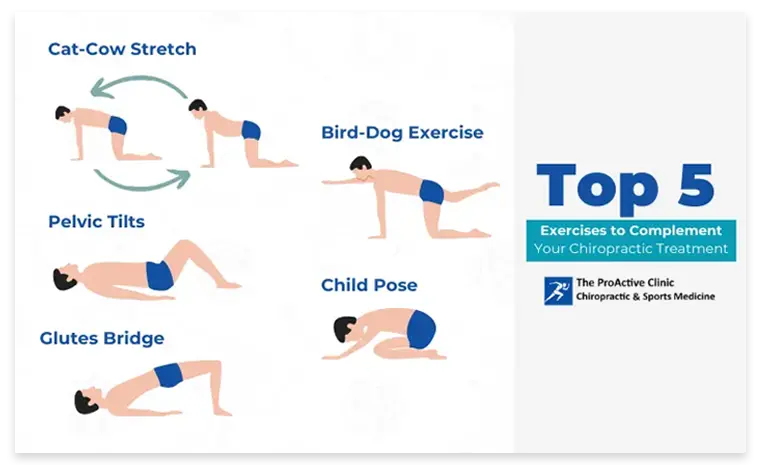
Top 5 Exercises to Complement Your Chiropractic Treatment

Optimal health and well-being go beyond the adjustments made in the clinic. While our practice is pivotal in realigning the spine and ensuring the nervous system functions correctly, chiropractic treatment can be significantly amplified with complementary exercises.

These exercises are designed to enhance the effects of your chiropractic treatments, strengthening supporting muscles and improving mobility. Integrating these top exercises into your routine not only helps maintain adjustments but also promotes long-term spinal health and reduces the risk of injuries.

Top 5 Exercises to Complement Your Chiropractic Treatment

Strengthening core muscles, enhancing spinal flexibility, and improving overall body stability are vital components of a comprehensive approach to spinal health. With these easy-to-perform exercises, your daily routine can be as smooth as your journey to health recovery

1. Cat-Cow Stretch

The Cat-Cow stretch is a fundamental yoga move that’s perfect for making your spine happy. This exercise helps strengthen your spine for better flexibility, and mobility and relieves nagging back and neck pain. Plus, who doesn’t want to feel like a graceful cat or a calm cow for a few minutes?

How to perform:

1. Start on your hands and knees, wrists directly under your shoulders and knees under your hips. 

2. Inhale deeply, arching your back and lifting your head and tailbone towards the ceiling. 

3. Exhale, rounding your spine and tucking your chin towards your chest. 

Repeat this for 1-2 minutes. Remember, cats and cows don’t rush, and neither should you!

2. Bird-Dog Exercise

The bird-dog exercise helps you balance like a pro and strengthens those core muscles, which are key for a sturdy spine. Helps you relieve low back pain and targets the whole body for an increased range of motion. This exercise gives you that cool, coordinated look — even if it’s just in front of your cat. 

How to perform:

1. Begin this exercise on your hands and knees, keeping your spine neutral. 

2. Extend your right arm forward and your left leg backward, as if you’re a superhero flying off to save the day. 

3. Hold this position for a few seconds, then return to the starting position. 

4. Switch sides, extending your left arm and right leg. 

Perform 10-15 reps on each side. 

Top 5 Exercises to Complement Your Chiropractic Treatment

3. Pelvic Tilts 

In the United States as in the rest of the world, many people develop a pelvic tilt due to prolonged sedentary behavior, which can lead to discomfort and pain. Pelvic tilts exercise is a simple yet effective move that can do wonders for your lower back and core stability. This exercise helps relieve lower back pain and strengthens your abdominal and buttock muscles. Think of this movement as a gentle wake-up call for your pelvis, perfect for anyone who spends a lot of time sitting. 

How to perform:

1. Lie on your back with your knees bent and feet flat on the floor, hip-width apart.

2. Place your hands on your hips to feel the movement.

3. Tighten your abdominal muscles and gently tilt your pelvis upward, flattening your lower back against the floor.

4. Hold this position for a few seconds, then return to the starting position, arching your lower back slightly.

Repeat for 15-20 reps.

4. Glute Bridges

Glute bridges are fantastic for strengthening your glutes, lower back, and hamstrings while stabilizing your pelvis. This exercise not only helps reduce lower back pain but also makes sitting and standing much more comfortable—no more wobbly moments!

How to Perform:

1. Lie on your back with your knees bent and feet flat on the floor, hip-width apart.

2. Place your arms at your sides, palms facing down.

3. Press through your heels, lifting your hips towards the ceiling until your body forms a straight line from your shoulders to your knees.

4. Hold this position for a few seconds before slowly lowering your hips back to the floor.

Perform 15-20 repetitions.

5. Child’s Pose

Child’s Pose isn’t just for kids. This yoga position is perfect for stretching your back, hips, and thighs while providing a moment of relaxation. It gently alleviates tension in the spine and promotes stress relief, making it an excellent addition to your routine for overall well-being.

How to Perform:

1. Start on your hands and knees.

2. Sit back on your heels, extending your arms forward, and lower your torso toward the floor.

3. Rest your forehead on the mat and breathe deeply.

Hold this position for 1-3 minutes, savoring the mini-break from adulthood.

Integrate These Exercises into Your Routine

To maximize the benefits of your chiropractic treatment, incorporate these exercises into your daily routine. Consistency is key, so aim to perform these exercises at least three to four times a week. Always listen to your body and avoid pushing yourself beyond your limits. If you experience any pain or discomfort while performing these exercises, type “chiropractors near me” to find the best option for your spine health. Choosing an experienced chiropractor in Redondo Beach ensures that you have access to effective and non-invasive pain management solutions. Schedule a consultation today to discuss any pain concerns and explore how chiropractic care can enhance our health and quality of life.

Copyright © Proactive Chiropractic & Sports Medicine. 2026. All Rights Reserved.

Created by: DM Web Solution