Chiropractic Care
September 25, 2026
By: Proactive Chiropractic & Sports Medicine
Summary
Many patients dealing with joint stiffness or post-injury discomfort ask, can physical therapy relieve pain without undergoing invasive surgical procedures? Yes: targeted physical therapy addresses root-cause biomechanical dysfunctions through manual therapy, custom corrective exercises, and active rehabilitation. This non-invasive approach reduces inflammation, rebuilds muscular support and helps restore lasting mobility safely.
Table of Contents
- What Causes Pain After an Accident or Injury?
- How Does Physical Therapy Help Relieve Pain?
- Integrating Chiropractic Care and Physical Therapy for Optimal Recovery
- What to Expect During Your Evaluation
- Frequently Asked Questions
- Take a Proactive Step Toward Non-Surgical Recovery
Facing persistent musculoskeletal pain or recovering from a traumatic injury often leads patients to believe that surgery is their only path to long-term relief. For many common conditions, it is not. Surgery carries inherent risks, lengthy downtime, and high costs, while conservative care, physical therapy, chiropractic care, and guided exercise are widely recommended as the first line of treatment for back, neck, knee, and shoulder pain. Understanding how non-surgical care works helps you take control of your recovery journey with confidence.
Key Takeaways
- Physical therapy relieves pain by treating its mechanical source—stiff joints, weak stabilizing muscles, and faulty movement patterns—rather than masking symptoms.
- Published clinical trials show exercise-based therapy can produce outcomes comparable to surgery for several common conditions, including degenerative meniscus tears and lumbar spinal stenosis.
- Combining physical therapy with chiropractic care addresses both joint alignment and the muscular support that keeps joints stable.
- Many patients notice improvement within a few weeks of consistent care; complete treatment plans commonly run 6 to 12 weeks, depending on the injury.
- In California, you can start physical therapy without a physician referral for a limited period under the state’s direct-access law.
What Causes Pain After an Accident or Injury?
Pain after an accident or injury usually comes from three sources: inflammation, protective muscle tightening, and changes in how you move to avoid discomfort. When physical trauma occurs—whether from a motor vehicle collision, a sports injury, or repetitive overuse—the body immediately initiates a protective inflammation response. While initial inflammation serves to protect damaged tissues, persistent micro-trauma and unaddressed tissue stiffness often create long-term pain cycles.
- Muscle Guarding & Stiffness: Nearby muscles contract tightly around injured joints to prevent further motion, restricting blood circulation and causing localized stiffness.
- Biomechanical Compensations: To avoid discomfort, your body alters its natural stride, posture, or movement patterns, shifting abnormal stress onto surrounding healthy joints.
- Connective Tissue Restriction: Scar tissue build-up in ligaments and fascia limits overall range of motion, aggravating nerve endings and perpetuating pain signals.
Left unaddressed, these patterns can turn an acute injury into chronic pain—generally defined as pain lasting longer than three months. Early, structured care helps break the cycle before it becomes entrenched.
How Does Physical Therapy Help Relieve Pain?
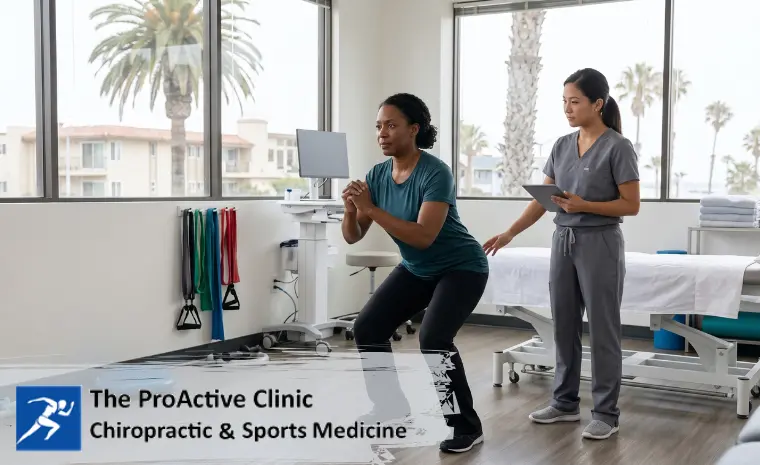
So, can physical therapy relieve pain? For most muscle, joint, and soft-tissue injuries, yes. Answering that question means examining how customized rehab addresses structural dysfunctions at their source rather than merely masking symptoms with medication. Physical therapy uses an active, multi-modal approach designed to rehabilitate damaged soft tissue and re-educate neuromuscular movement patterns.
Through targeted hands-on manual therapy—such as joint mobilization and soft-tissue release—therapists break down restrictive scar tissue, decrease muscle tension, and increase localized blood flow. Following manual care, structured therapeutic exercises strengthen weak stabilizing muscles surrounding vulnerable joints. This custom strengthening process reduces the load on overworked spinal structures, relieves nerve pressure, and stabilizes the body during daily movement.
Core Physical Therapy Techniques for Pain Relief
- Manual therapy: Joint mobilization and soft-tissue release to restore motion and reduce muscle tension.
- Therapeutic exercise: Progressive strengthening and stretching that rebuilds support around injured joints.
- Neuromuscular re-education: Retraining balance, posture and movement patterns so the body stops compensating.
- Pain-relief modalities: Heat, cold therapy and electrical stimulation to calm pain in the short term so active rehab can progress.
What Does the Research Say About Physical Therapy vs. Surgery?
- Degenerative meniscus tears: A randomized trial published in The BMJ (Kise et al., 2016) found that 12 weeks of supervised exercise therapy produced no clinically relevant difference in knee function compared with arthroscopic partial meniscectomy after two years.
- Lumbar spinal stenosis: A randomized trial in the Annals of Internal Medicine (Delitto et al., 2015) found that surgical decompression and physical therapy led to similar improvements in pain and function at two years.
- Low back pain: The American College of Physicians’ 2017 clinical guideline recommends non-drug treatments, including exercise and spinal manipulation, as first-line care for low back pain.
Physical Therapy vs. Surgery at a Glance
| Factor | Physical Therapy | Surgery |
| Invasiveness | Non-invasive; no incisions or anesthesia | Incisions and anesthesia required |
| Downtime | Most patients stay active and keep working during care | Weeks to months of restricted activity |
| Main risks | Temporary soreness | Infection, blood clots, anesthesia complications |
| Cost | Generally lower | Generally higher, plus post-operative rehab |
| Addresses root cause | Yes—strength, mobility, and movement patterns | Repairs the structure; rehab is still needed afterward |
When Is Surgery the Right Choice?
Conservative care is not right for every case. Talk to a physician about a surgical evaluation if you experience:
- Progressive numbness or muscle weakness in an arm or leg
- Loss of bowel or bladder control
- A fracture, dislocation, or complete tendon or ligament rupture
- Pain that has not improved after an adequate trial of conservative care
A qualified clinician will refer you to a surgeon when your condition calls for it.
Integrating Chiropractic Care and Physical Therapy for Optimal Recovery
Chiropractic care and physical therapy work best together: chiropractic adjustments restore joint motion, while physical therapy builds the strength that keeps those joints stable. While physical therapy focuses heavily on muscular reconditioning and movement dynamics, spinal alignment plays an equally vital role in nervous system function and biomechanical balance. Combining both disciplines creates a synergistic healing environment that accelerates functional recovery.
Collaborating with an experienced chiropractor in Redondo Beach allows for precise joint adjustments that restore proper spinal mechanics. When restricted joints move freely again, joint pressure decreases, and nerve irritation often subsides. Pairing structural chiropractic adjustments with therapeutic exercise ensures that properly aligned joints remain supported by strong, balanced musculature.
At ProActive Clinic, chiropractic care and sports rehabilitation are coordinated under one treatment plan, so every part of your recovery works toward the same goal.
What to Expect During Your Evaluation
Your path toward non-surgical pain relief begins with a comprehensive functional movement assessment. During an initial clinical evaluation, specialists analyze your baseline range of motion, muscular strength, gait patterns, and postural alignment to pinpoint the exact structural source of your symptoms.
- Detailed Health History Review: Evaluating past injuries, lifestyle demands, and primary movement barriers.
- Biomechanical & Postural Testing: Identifying imbalances, joint restrictions, and compensated movement habits.
- Customized Treatment Plan: Building a tailored routine combining joint alignment, targeted exercise, and active recovery techniques.
Treatment timelines vary with the injury, its severity, and how consistently you follow your home exercise program. Many patients notice meaningful relief within two to four weeks, and a full plan commonly runs 6 to 12 weeks. In California, you do not need a physician’s referral to begin physical therapy; state law allows direct access for up to 45 calendar days or 12 visits, whichever comes first, before a physician must approve the ongoing plan of care.
Frequently Asked Questions
Can physical therapy relieve pain without surgery?
Yes. For most muscle, joint, and soft-tissue injuries, physical therapy relieves pain by restoring mobility, strengthening stabilizing muscles, and correcting movement patterns. Clinical trials show it can match surgical outcomes for conditions such as degenerative meniscus tears and lumbar spinal stenosis.
How long does physical therapy take to relieve pain?
Many patients notice improvement within two to four weeks of consistent sessions and home exercises. A complete treatment plan commonly lasts 6 to 12 weeks, depending on the injury, its severity, and your recovery goals.
What conditions can physical therapy treat without surgery?
Physical therapy commonly treats low back pain, neck pain, and whiplash, sciatica, rotator cuff tendinopathy, knee osteoarthritis, degenerative meniscus tears, sprains and strains, and sports injuries.
Is chiropractic care or physical therapy better for back pain?
Both can help, and they work well together. Clinical guidelines for low back pain include both spinal manipulation and exercise therapy. Chiropractic care restores joint motion, while physical therapy builds the strength and control that keep pain from returning.
Do I need a referral for physical therapy in California?
No. California’s direct-access law lets you see a physical therapist without a referral for up to 45 calendar days or 12 visits, whichever comes first. After that, a physician must sign off on the plan of care.
Take a Proactive Step Toward Non-Surgical Recovery
Persistent pain does not mean surgery is inevitable. By addressing tissue restrictions, improving joint mobility, and strengthening stabilizing muscles, structured conservative care empowers your body to heal naturally. At ProActive Clinic, our integrated multidisciplinary approach combines advanced chiropractic care and sports rehabilitation to treat the root cause of your discomfort, helping you return to an active, pain-free lifestyle.
Schedule a consultation with ProActive Clinic Chiropractic & Sports Medicine to discuss your orthopedic and sports-related concerns.
Clinical care
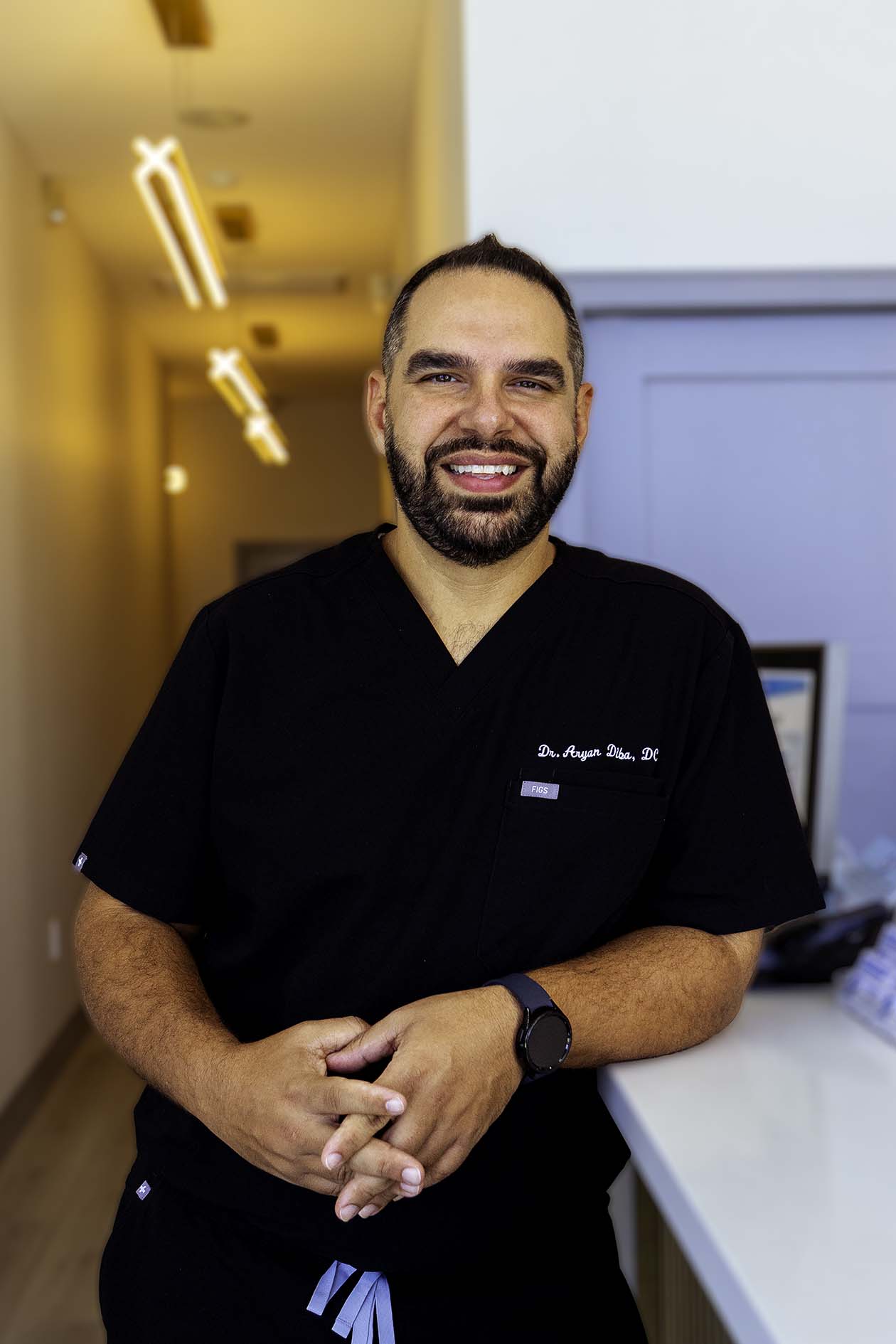
Care at The ProActive Clinic is provided by Dr. Aryan Dibagohar, D.C., owner and primary chiropractic provider. Dr. Aryan Dibagohar earned his Doctor of Chiropractic from Southern California University of Health Sciences (2016) and a B.A. in Sociology from UCLA (2008). He has been featured in local South Bay publications.
Page last updated: