
Chiropractic Care
September 30, 2026
By: Proactive Chiropractic & Sports Medicine
Summary:
Wondering what your initial evaluation looks like? Knowing what to expect during your first physical therapy visit helps reduce anxiety and prepares you for recovery. This appointment focuses on assessing movement patterns, pinpointing pain causes, measuring flexibility, and crafting a personalized treatment strategy designed to safely restore your functional mobility.
Stepping into a clinic for an initial evaluation can feel intimidating especially when managing acute pain or recovering from an injury. However, your initial appointment is a collaborative session dedicated entirely to understanding your unique physical needs. Rather than jumping straight into strenuous workouts, this visit focuses on comprehensive diagnostics, movement analysis, and establishing a clear roadmap toward long-term recovery.
What Happens Before Your Physical Therapy Evaluation?
Preparation begins before you step onto the clinical floor. Intake forms capture vital details regarding your medical history, current medications, past surgical procedures and specific lifestyle demands.
You will outline your personal goals—whether that means walking without discomfort, returning to competitive sports or lifting your children without strain. Wearing comfortable athletic attire ensures your clinician can easily examine affected joints and assess your natural mechanics without restriction.
How a Physical Therapist Assesses Your Injury
During your initial appointment, a thorough clinical interview helps gather crucial details about your symptoms:
- Onset & Triggers: Identifying when the discomfort began and which specific positions aggravate or alleviate it.
- Postural & Visual Inspection: Examining body alignment, muscle symmetry, and localized swelling or compensation patterns.
- Functional Movement Screening: Observing daily mechanics like walking, bending, reaching, or squatting to identify subtle biomechanical flaws.
What Tests May Be Included in Your Evaluation?
Specific diagnostic tests pinpoint structural restrictions and muscular imbalances. Your clinician may measure joint Range of Motion using specialized tools like a goniometer. Manual muscle testing assesses localized strength, while soft-tissue palpation reveals trigger points and fascia tightness. Neurodynamic tests check for nerve irritation or spinal nerve compression.
How Your Physical Therapy Treatment Plan Is Created
Once evaluation testing is complete, your therapist correlates these findings to identify the root cause of your pain. Together, you will establish measurable goals for both short-term relief and long-term stability. Your clinician outlines an optimal treatment schedule, detailing expected session frequency and overall duration required for lasting structural tissue adaptation.
What Exercises and Therapies May Be Used?
To kickstart relief, most initial visits include light therapeutic interventions:
- Hands-On Manual Therapy: Joint mobilization and myofascial release to calm acute muscle guarding.
- Targeted Corrective Movements: Low-intensity exercises designed to reactivate weak stabilizing muscles.
- Palliative Modalities: Ice, heat, or electrical stimulation to modulate pain and decrease inflammation.
- Home Exercise Program (HEP): Simple, essential drills prescribed to maintain progress between clinical visits.
Combining Multidisciplinary Care for Enhanced Results
Optimal recovery often requires addressing both joint structure and neuromuscular function. Collaborating with an experienced chiropractor in Redondo Beach alongside your physical therapy regimen provides a powerful, multi-modal approach. While physical therapy strengthens muscular support and restores movement dynamics, chiropractic adjustments address articular subluxations and spinal alignment. At ProActive Clinic, integrating these modalities ensures that joint corrections remain stable, supported, and resilient against future injury.
When Should You Expect to See Progress?
Initial symptom relief often begins within the first two to three weeks of consistent care. However, true structural remodeling and muscular retraining take time. Adhering closely to your prescribed home routine directly accelerates healing, helping you regain strength safely and effectively.
Schedule a consultation with ProActive Clinic Chiropractic & Sports Medicine to discuss your orthopedic and sports-related concerns.
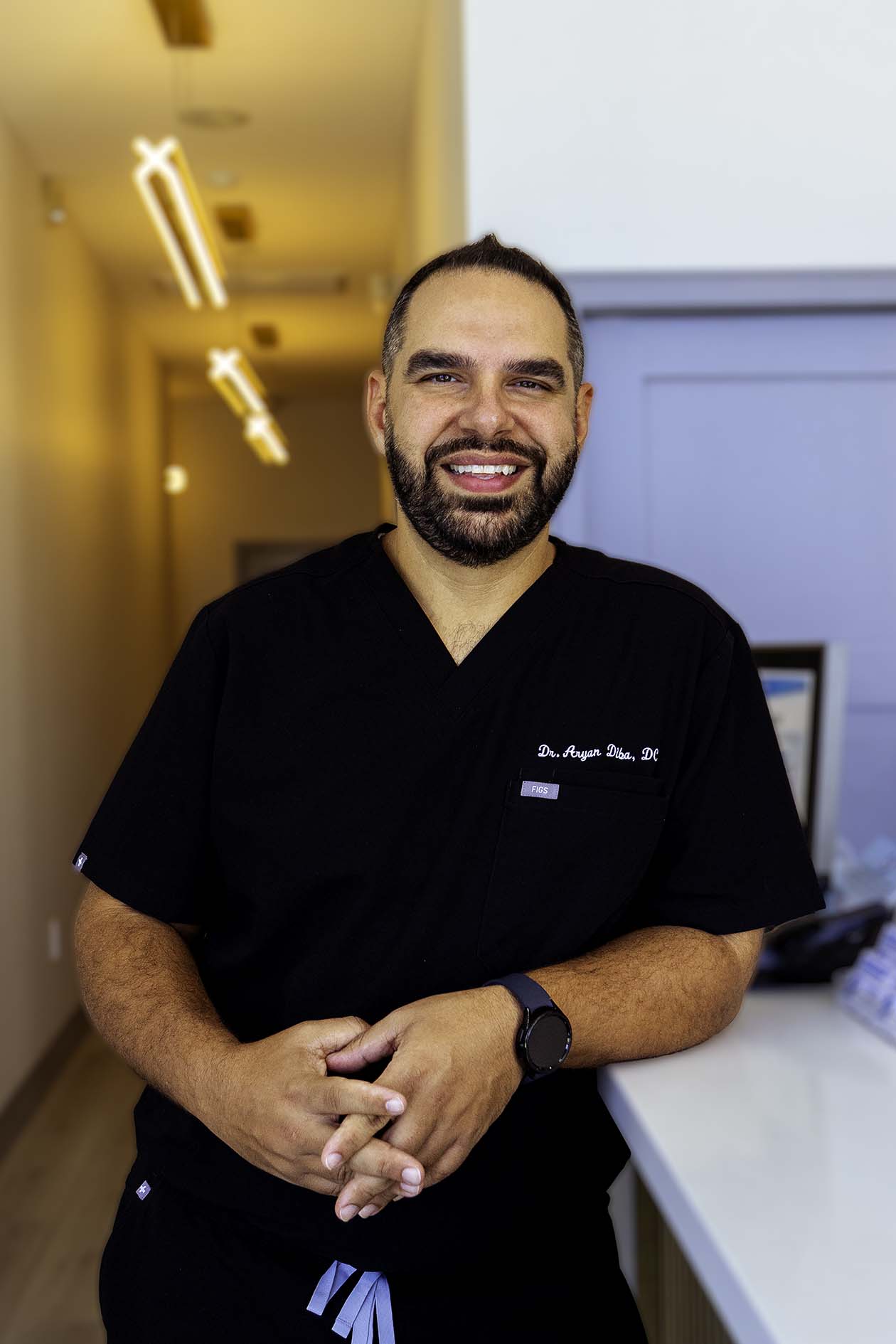
Clinical care
Care at The ProActive Clinic is provided by Dr. Aryan Dibagohar, D.C., owner and primary chiropractic provider. Dr. Aryan Dibagohar earned his Doctor of Chiropractic from Southern California University of Health Sciences (2016) and a B.A. in Sociology from UCLA (2008). He has been featured in local South Bay publications.
Page last updated: